
Does your compressed air make the grade?
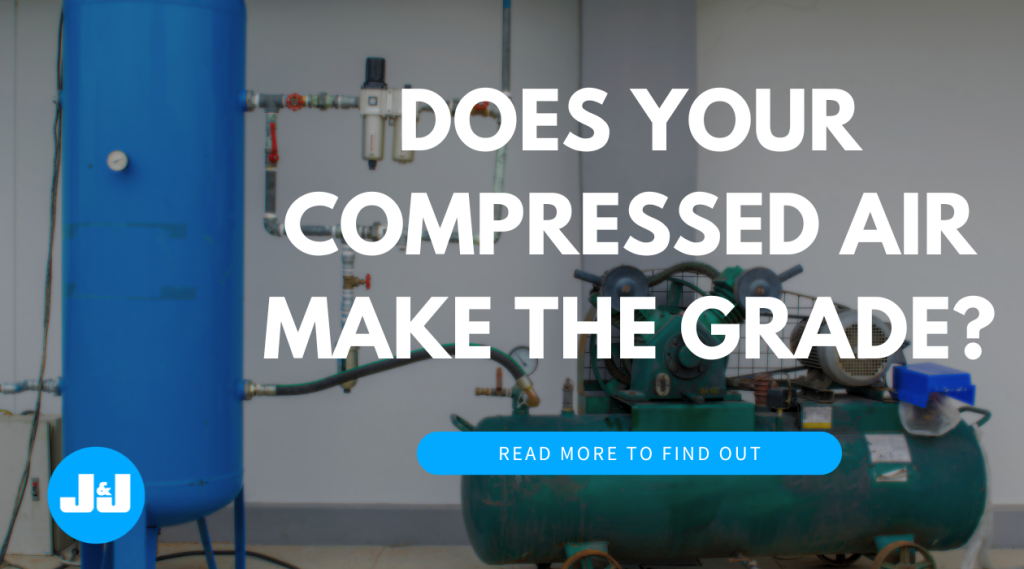
Looking after the quality of your compressed air is no joke.
Leave your air quality unmeasured and you could be left with compromised air ruining, contaminating and even creating dangerous products.
And whilst this is true, it can also be hard to know where to start to understand if you should be worried about your air quality, how you go about measuring your compressed air, and ultimately the steps you should take should it fall to below standard.
Now here at J&J we know that knowledge is power. And because of this, we have written today’s blog so that you can understand everything about compressed air quality to take control of the situation before it takes control of you.
Do you need to worry about compressed air quality?
First off, and it’s an important question to ask, do you even need to worry about your compressed air quality?
Whilst the answer here is a definite yes, the extent to how much you need to monitor your air quality will depend on its application.
Whilst all businesses should monitor their air quality, if your business deals with food and beverage manufacturing, pharmaceuticals, electronics or healthcare then you need to be taking even more care to ensure you are staying within guidelines (as per ISO 8573).

But whilst this is easy to read and ignore, what actually happens if your air quality falls below standard?
What happens if your compressed air quality fails?
Well, without regular air checks, things like water vapor, oil vapor and particulates could be making their way into your air supply without you even knowing.
And this then follows suit that if any of these materials are in your compressed air supply, then they are also sneaking their way inside and ruining your final product.
For example, if you work manufacturing food and beverage any air that touches your product during sorting, mixing and packaging must be clean and pure to ensure food safety standards. These exacting standards are also upheld within the pharmaceutical and biotech industry too. Dry and sterile air must be maintained to ensure consumer safe pill coatings, drug manufacturing and laboratory research. Failure to comply with compressed air safety standards in these industries creates unsafe, unconsumable and dangerous products.

But the need for clean air is not just limited to consumables. If you are working with electronics or semiconductors you will also need to ensure your air supply is clean. For example, if contaminated air is used when clearing debris from your power micro-assembly line, then just a microscopic oil droplet can cause electrical shorts and even ruin delicate components.
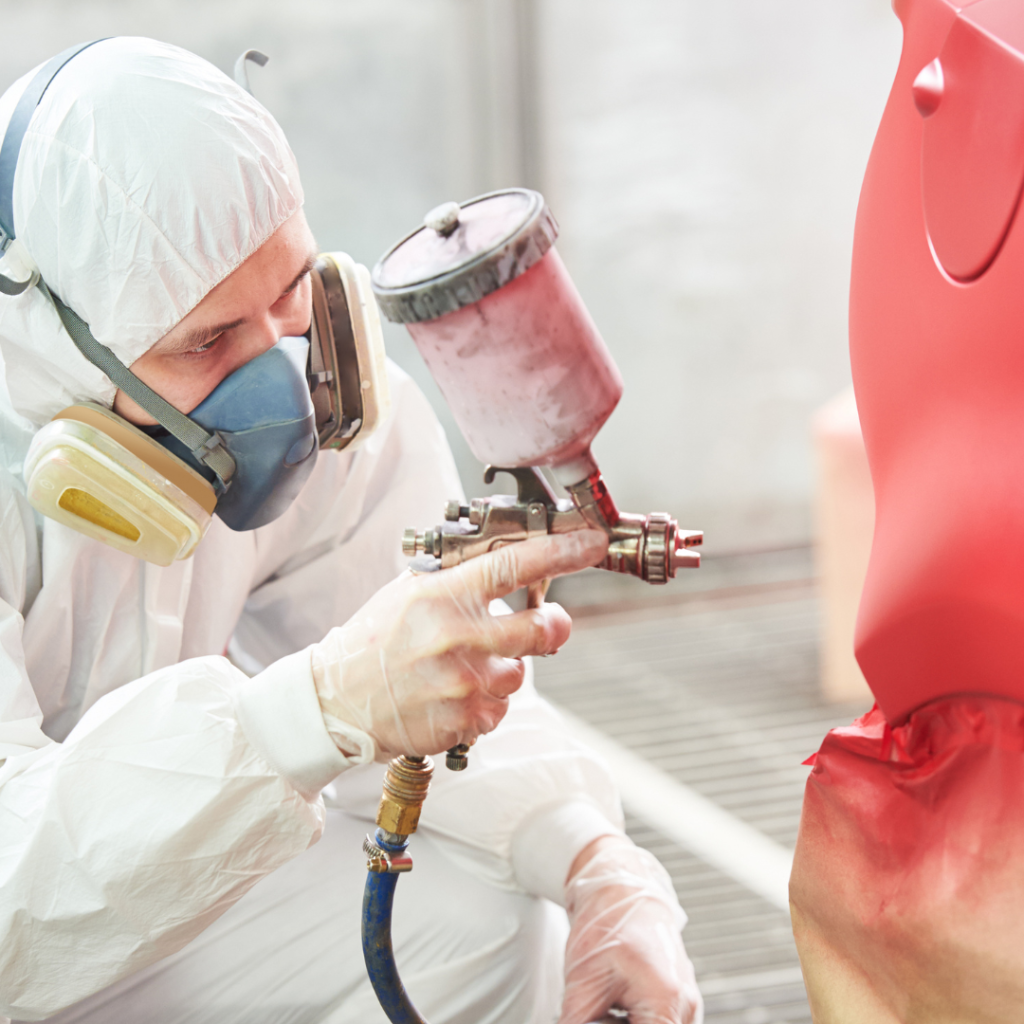
And the same idea applies in automotive spray painting. Any moisture or oil found in contaminated compressed air can cause bubbles or ‘fish eyes’ in paint finishes, ruining the overall product.
Sterile air is also vital for the running of many pieces of healthcare and dentistry equipment including pneumatic drills, air/water syringes, air polishers, ventilators, respiratory devices and more.
And it doesn’t stop there! Importantly, sterile air is needed for all chemical processing that operates using automatic pneumatic valves as any dirty air could cause unintentional chemical reactions which then ruin results.
And something that is really important to note is that air quality matters even if you don’t work in any of the above industries. The air expelled from your compressor must be safe enough to be breathed in by anyone working with or near your compressor to ensure worker safety.
So it should now be pretty clear that dirty and contaminated compressed air is a real hazard not only for your final product, but also those working around your machinery.
So this then begs the question…
If maintaining clean and sterile compressed air is so important, then how do you know if your compressed air is making the grade?
How do you test for air quality?
Well the answer here is thankfully very simple.
You just need regular air quality audits.
Regular air quality audits are essential to keep your compressed air meeting quality and safety requirements (as per ISO 8573).
During your air quality audits, your compressed air will be evaluated based on its safety, purity and efficacy to ensure safety and quality not only in your products but also of workers health. Throughout this audit the levels of moisture/water, oils and hydrocarbons, solid particulates and microbiological contamination will be closely monitored to ensure there are no nasties where they shouldn’t be!
And this is where J&J comes in. Our ISO and TUV accredited equipment is some of the best on the market to analyse particle count, dewpoint (moisture), oil levels, gas purity and more.
And because we use a standard quick connector during all our air quality audits we are able to quickly, accurately and efficiently sample your on site compressed air in no time at all.
This method of testing is not only compliant with the ISO 8573 standard, but is also one of the only accurate ways to test on site compressed air.
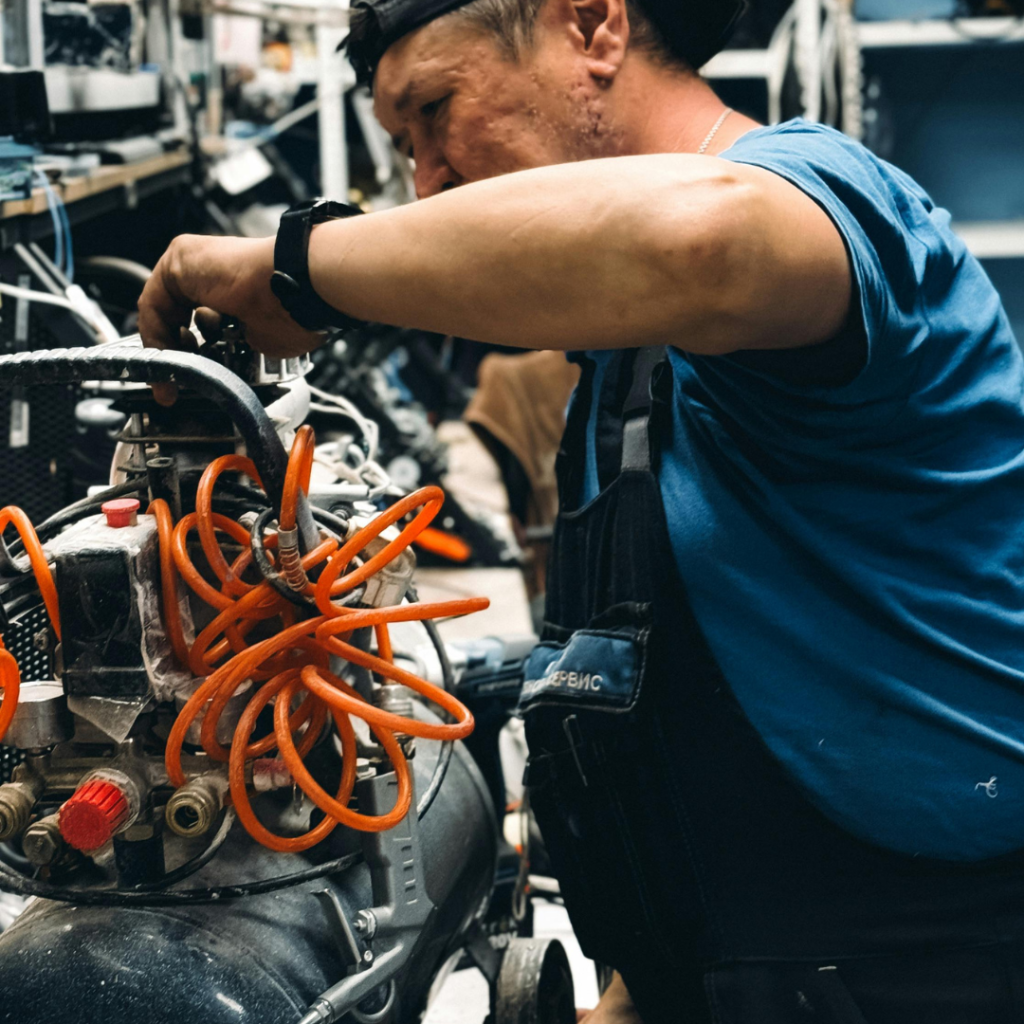
Once testing is complete we will also send you a report to outline sample results, if you have passed or failed the compliance test, and any future solutions you may need if contaminated air has been found.
How should you maintain excellent air quality year round?
So what is the solution to a tainted compressed air supply?
If contaminated compressed air has been found on your site, first locating the source, then carrying out remediation and finally consistent monitoring will be your best bet to get your compressor tip top again!
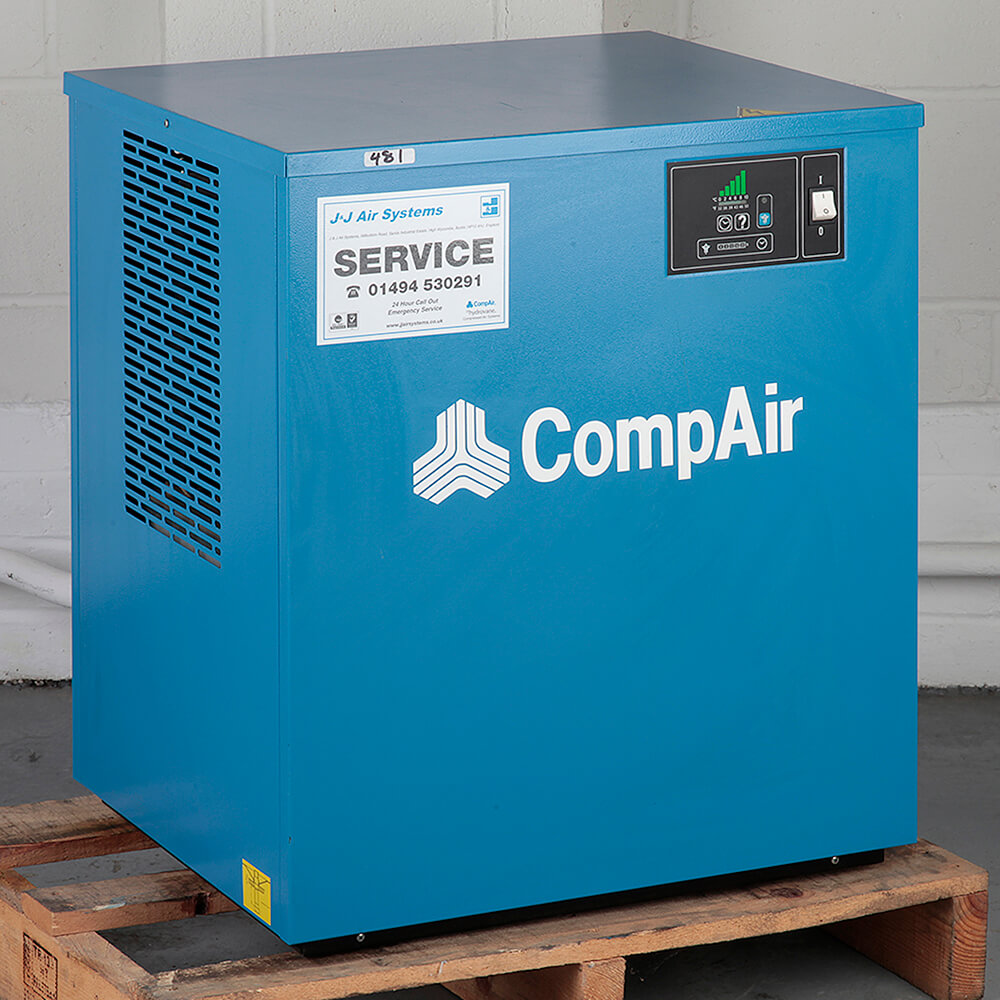
Common solutions to help improve compressed air quality often include draining the tank, replacing worn filters and piston seals, installing air dryers and other air treatment accessories and of course checking for internal leaks if pressure is dropping.
In terms of timing, at J&J we recommend quarterly air testing as per industry recommendations.
By testing every 3 months not only are we able to ensure your air supply remains safe, but we are also able to account for seasonal shifts to create a balanced year-round picture.
Please note, anything like regular maintenance or suspected contaminations should always trigger extra testing.
Is there a permanent solution?
And if air quality is a top priority to you or you are in an industry with strict and exacting regulations, then we would recommend a permanent air quality monitor to be installed within your current compressed air system.
These devices work fantastically and can even be set up to alert you if your air quality deviates from outside of your requirements to ensure that your production is clean and safe 100% of the time.
How to learn more…
If you would like to learn more about permanent air quality monitors, are overdue for an air quality test, or still have more questions about the process then please don’t hesitate to give us a ring on 0800 0278 442 or pop us over an email to [email protected] to learn more!
So there we have it!
We hope this blog has proved useful in learning more about air quality control, but if you ever have any additional questions then don’t hesitate to get in touch.
J&J – When the pressure is on, we deliver.